

Tomodachi Life: Living the Dream can feel a little odd at first. There’s no big quest marker telling you where to go next, and the game isn’t really about pushing you through a story.
Instead, you’re building an island full of Miis, checking in on their lives, helping with small Problems and Ponderings, and watching friendships, arguments, romances, and complete nonsense unfold over time.
This section covers the basics of getting started, including what to focus on first, which Miis to add early, how quickly to grow your island, which setup choices matter, and which beginner mistakes to avoid.
Tomodachi Life: Living the Dream is an open-ended life sim about creating Miis, helping them with everyday problems, and watching their relationships and island lives unfold.
You create the residents, give them personalities, visit their homes, help them out, and then watch what happens. It’s less about controlling every detail and more about setting up the island so that the game has interesting people, items, and situations to work with.
The basic early loop looks like this:
Create a few Miis
Check in on their homes
Help with Problems and Ponderings
Give them food, clothes, Prezzies, and interiors
Collect Wishing Fountain donations and rewards
Watch relationships and random events develop
Add more Miis when the island starts to feel quiet
The important thing to know early is that you aren’t controlling every moment. You’re setting up the conditions for funny things to happen. You choose who lives there, give them things to react to, and then let the game do the weird part.
That’s why your first choices do matter. The Miis you create, the personalities you give them, the items you buy, and the way you check in each day all help decide whether the island feels lively or empty.
Tomodachi Life works best when you don’t treat it like something you need to clear in one sitting. Build a cast you like, check in for a bit, help where you can, and let the island slowly become its own little disaster.
No, Tomodachi Life: Living the Dream doesn’t have a traditional story campaign, main questline, or chapter path.
There’s no big objective marker telling you where to go next, and the game isn’t built around clearing missions in order. Instead, you make progress by building up your island, helping your Miis, unlocking new features, and giving the game more ways to create funny or unexpected moments.
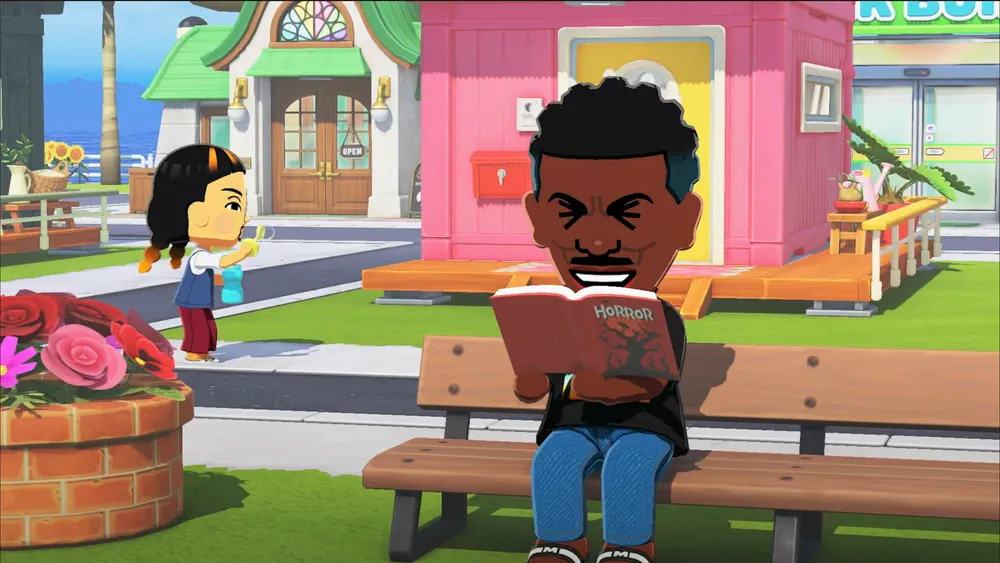
Progress usually looks like this:
Your Miis become happier
New friendships and relationships start forming
Shops and island features open up
You earn more money, rewards, and Warm Fuzzies
You unlock more wishes through the Wishing Fountain
Your island gets more residents, homes, items, and events
More things happen when you check back in
So if you feel a little lost early on, it’s not because you’re missing a hidden campaign objective. Tomodachi Life is more of a daily life sim where the island itself becomes the main project.
The best way to play is to focus on smaller goals. Help the Miis who need something. Add new residents when the island feels quiet. Check the shops. Spend wishes carefully. Watch who becomes friends, who argues, and who starts acting suspiciously romantic for no good reason.
You’re not trying to finish Tomodachi Life as quickly as possible. You’re building an island that keeps giving you reasons to come back.
Start by making a small group of Miis, checking in on them, solving their Problems and Ponderings, feeding them, collecting early rewards, and learning the daily rhythm before you rush to fill the island.
The first hour of Tomodachi Life: Living the Dream is mostly about getting comfortable. Don’t worry about planning the perfect island straight away, or creating every Mii you’ve ever thought of before the game has even settled in.
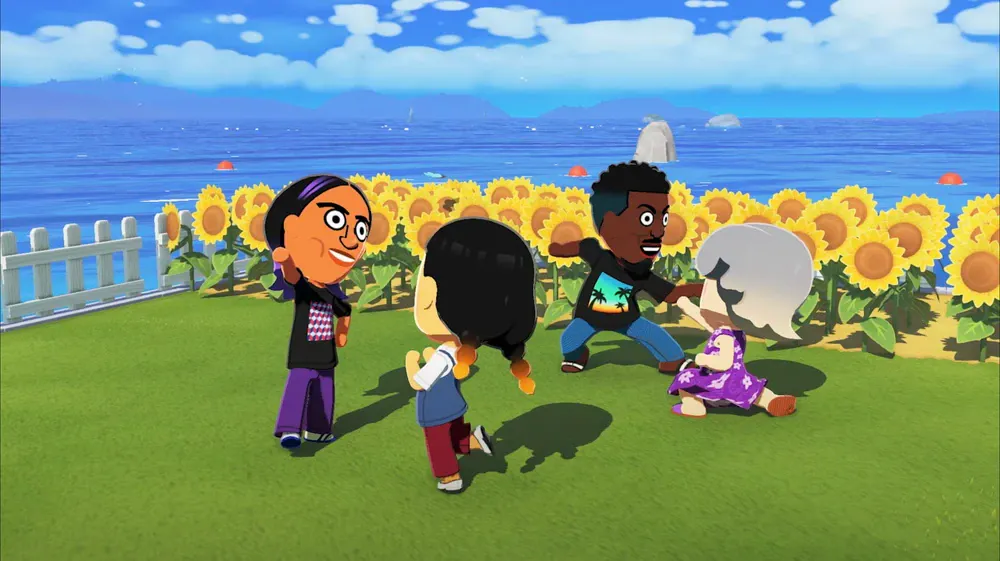
The best early move is to keep things simple. Add a few residents, see what they ask for, and start learning how the island reacts when you help them.
Your first-session checklist:
Create your first few Miis: Start with residents you actually want to check in on, whether that means yourself, friends, family, fictional characters, or a few wildcard picks.
Visit each Mii’s home: Check what they’re doing, listen to their requests, and get used to how the game shows Problems, Ponderings, moods, and interactions.
Solve simple Problems and Ponderings: Early requests teach you the basics, including feeding Miis, giving items, helping with moods, playing mini-games, and responding when someone wants attention.
Feed hungry Miis: Food is one of the easiest ways to raise happiness and learn what your residents like. Try different options instead of giving everyone the same thing forever.
Collect Wishing Fountain donations and rewards: Money gives you more room to buy food, clothes, interiors, and gifts, so make collecting donations part of your normal check-in routine once it becomes available.
Check the shops: You don’t have to buy everything. Just check what’s new, then pick up food, clothes, hats, or interiors that give you more ways to make Miis happy and make them feel different from each other.
Visit the Wishing Fountain when it opens: Once the Wishing Fountain becomes part of the loop, use it to build towards wishes that make the island more useful or interesting.
Stop when the island slows down: Tomodachi Life works best in short bursts. If nobody needs anything and the island has gone still for the moment, it’s fine to come back later.
Keep the start manageable. Build a small cast, help them when they ask, buy useful items, and let the island grow naturally. Once that loop clicks, the rest of the game starts to make much more sense.
The best first Miis are the ones you’ll actually enjoy checking in on, not necessarily the most sensible or realistic choices.
Your first residents set the tone for the island. If you add Miis you care about, recognise, or find funny, the game has much more to work with. If you fill the island with random characters just to make it busier, it can start feeling crowded before it feels interesting.
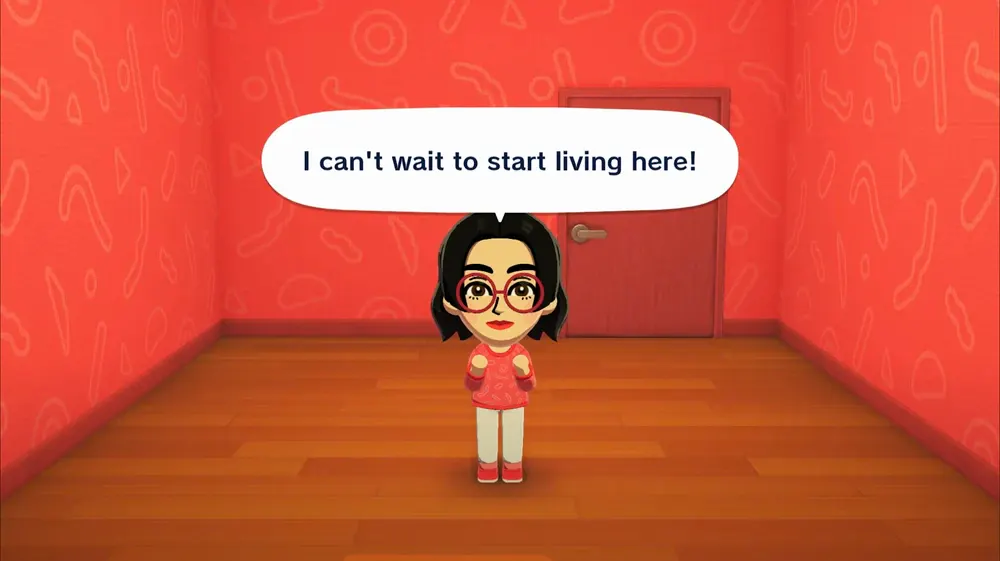
Good first Miis to add include:
Yourself: A self-insert Mii makes the island feel personal right away, especially when the game starts putting you into strange conversations or relationships.
Close friends or family: Familiar people make small moments funnier because you already know how they’d probably react in real life.
Fictional characters: Game, film, anime, TV, or book characters can make the island much more entertaining, especially when they start interacting with people they absolutely shouldn’t know.
Celebrities or public figures: These are useful if you want recognisable faces without needing to invent everyone from scratch.
Original characters: A few made-up Miis can help the island feel less like a real-life group chat and more like its own strange little world.
Wildcard picks: Joke Miis, odd pairings, rivals, or characters with completely different personalities can give the island more room for funny friendships, arguments, and romance.
Keep the starting cast simple. A good early mix is usually better than a perfect theme. Add a few Miis who feel familiar, a few who feel surprising, and at least one or two who make you think, “This could go badly.” Trust us.
Start with a small group of Miis you can actually remember, then add more residents when the island starts to feel too quiet or repetitive.
It’s tempting to fill the island quickly, especially if you already have a long list of friends, family members, fictional characters, and joke Miis you want to add. But the island usually works better when it has a little room to breathe.
If you add too many Miis at once, you can end up with a busier island, but not necessarily a better one. It becomes harder to remember who everyone is, which relationships are forming, who has changed mood, and which residents you actually care about checking in on.
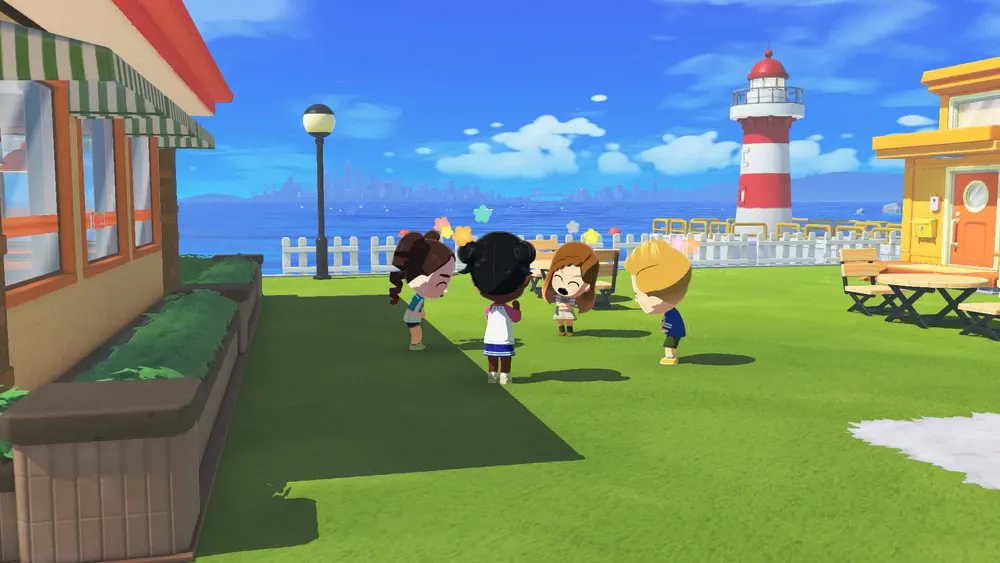
A good early approach is:
Start small: Begin with a handful of Miis you know you want on the island.
Learn the basic loop first: Spend some time solving Problems and Ponderings, feeding Miis, checking shops, and watching how residents interact.
Add more Miis in waves: Once the same residents keep appearing or the island feels a little too quiet, add a few more.
Use new Miis to refresh the island: New residents create more chances for friendships, arguments, romance, and strange little moments.
Stop before the island feels crowded: More Miis means more activity, but it also means more people to follow, remember, and check in on.
There’s no perfect number to hit immediately. The better question is whether your island feels active enough without becoming hard to follow.
If things feel empty, add more Miis. If you already can’t remember who half the island is, slow down and let the current residents develop for a while.
Personality, voice, phrases, birthdays, and dating preferences are all worth setting up, but your first Miis don’t need to be perfect before you start playing.
The goal is to make each Mii feel distinct. Tomodachi Life is much more fun when your residents sound different, react differently, and have enough personality that you can remember who they are after a few check-ins.
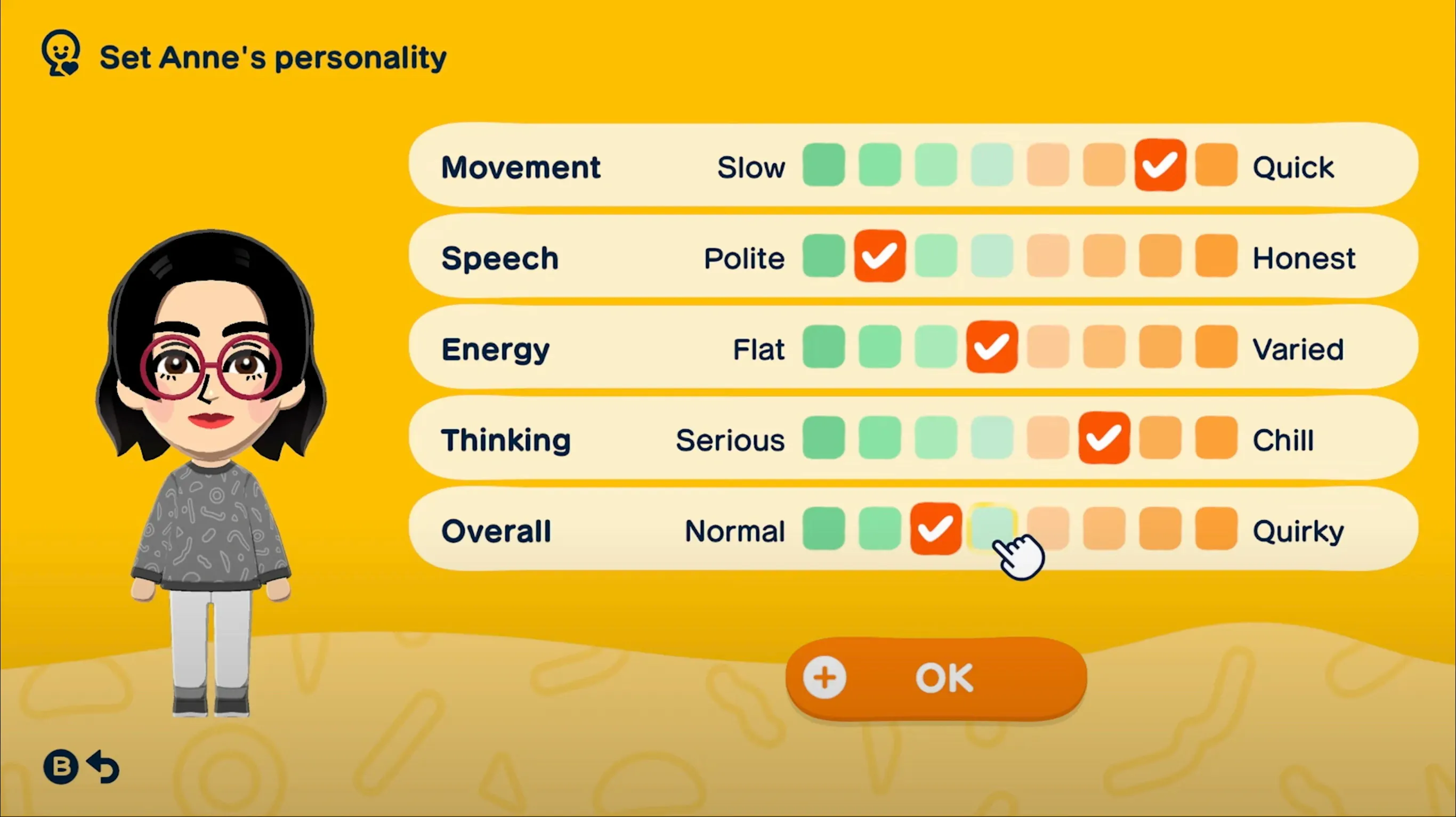
Personality is the big one. It affects how Miis come across, how they interact, and how much variety the island has overall. Skip the full personality deep dive for now, but mix things up instead of making every Mii feel the same.
The setup choices worth thinking about are:
Personality: This helps shape how a Mii behaves, reacts, and fits into the island’s social mix.
Voice: A good voice makes a Mii easier to recognise and can make even basic conversations much funnier.
Phrases: Custom phrases are one of the easiest ways to give a Mii more personality, especially if you’re recreating someone specific.
Birthday: Birthdays help the island feel more personal and can matter for events and long-term island life.
Dating preferences: Set these properly if you care about who can date or marry later. You don’t have to plan every romance, but it’s worth getting the basics right.
The main thing is variety. If every Mii has similar settings, the island can start to feel flat. If your Miis have different voices, personalities, phrases, and social possibilities, the game has more room to create funny or surprising moments.
Avoid getting stuck trying to make every Mii perfect. Make them recognisable, give them a few details that make you laugh, and move on. You can always refine the island as it grows.
The biggest early mistake is trying to rush Tomodachi Life before you understand the island’s daily rhythm.
Tomodachi Life: Living the Dream works best when you check in, solve a few Problems and Ponderings, make small improvements, and let the island develop over time. If you try to force everything immediately, the game can start feeling more confusing than fun.
Avoid these beginner mistakes:
Adding too many Miis too quickly: A busier island is not always a better island. Add residents gradually so you can actually follow who they are, what they need, and how their relationships are developing.
Making every Mii feel the same: Similar personalities, voices, phrases, and outfits can make the island feel flat. Give your Miis enough variety that they feel like different people.
Ignoring Problems and Ponderings: These are one of the main ways to raise happiness, earn rewards, and keep island life moving. If a Mii needs something, it’s usually worth checking.
Skipping the shops: Food, clothes, hats, interiors, and gifts all give you more ways to make Miis happy and make them feel distinct. Check what’s new whenever you can.
Spending wishes without thinking: Once the Wishing Fountain opens, focus on wishes that make the island more useful or interesting. Save the more cosmetic or completionist choices for later.
Trying to force relationships too early: You can encourage friendships and romance, but you can’t fully control them. Give Miis chances to interact, then let the island do what it does.
Forcing a session after the island has slowed down: If nobody needs anything and nothing new is happening, it’s fine to stop. Tomodachi Life is often better as a short-session game than something you grind for hours.
Start slowly, check in often, and don’t panic if the island isn’t exploding with drama right away. The fun comes from giving your Miis enough time and variety to start surprising you.