


Resident Evil has spent decades finding new ways to make us scared.
Sometimes it’s something you can hear but can’t see. Sometimes it’s a gigantic bioweapon following you through a door you were pretty sure enemies couldn’t use. And sometimes, even, it’s an entire village needing you dead.
We’re ranking these games primarily by how scary they are to actually play now. Historical impact matters when it helps explain why an older game still works or breaks a particularly close call, but we’re judging the whole game, not just its single worst hour. Oh, and originals and remakes are treated as separate games.
Minor gameplay spoilers ahead, but we’ve avoided major story spoilers.
TL;DR: Resident Evil 7 is still our pick for the scariest Resident Evil game, but not by much.
Now, for the full ranking, we’re starting at the much safer end.
It’s hard to feel helpless when you’re heavily armed and have an equally well-armed friend by your side.
Resident Evil 5 still looks like a horror game. Bodies mutate, Majini swarm you and some of the monsters are really, really disgusting. There’s just the fact that... It rarely feels frightening to play. Co-op is a big reason why.
Director Yasuhiro Anpo later compared RE5’s approach to going through a haunted house with a friend, which pretty much sums it up. You might still jump, but having somebody beside you takes away a lot of the isolation Resident Evil usually relies on. And then the bright environments, bigger fights, and huge supply of weapons push it even further towards full-blown action.
RE5 can definitely get stressful, but that’s not quite the same thing.
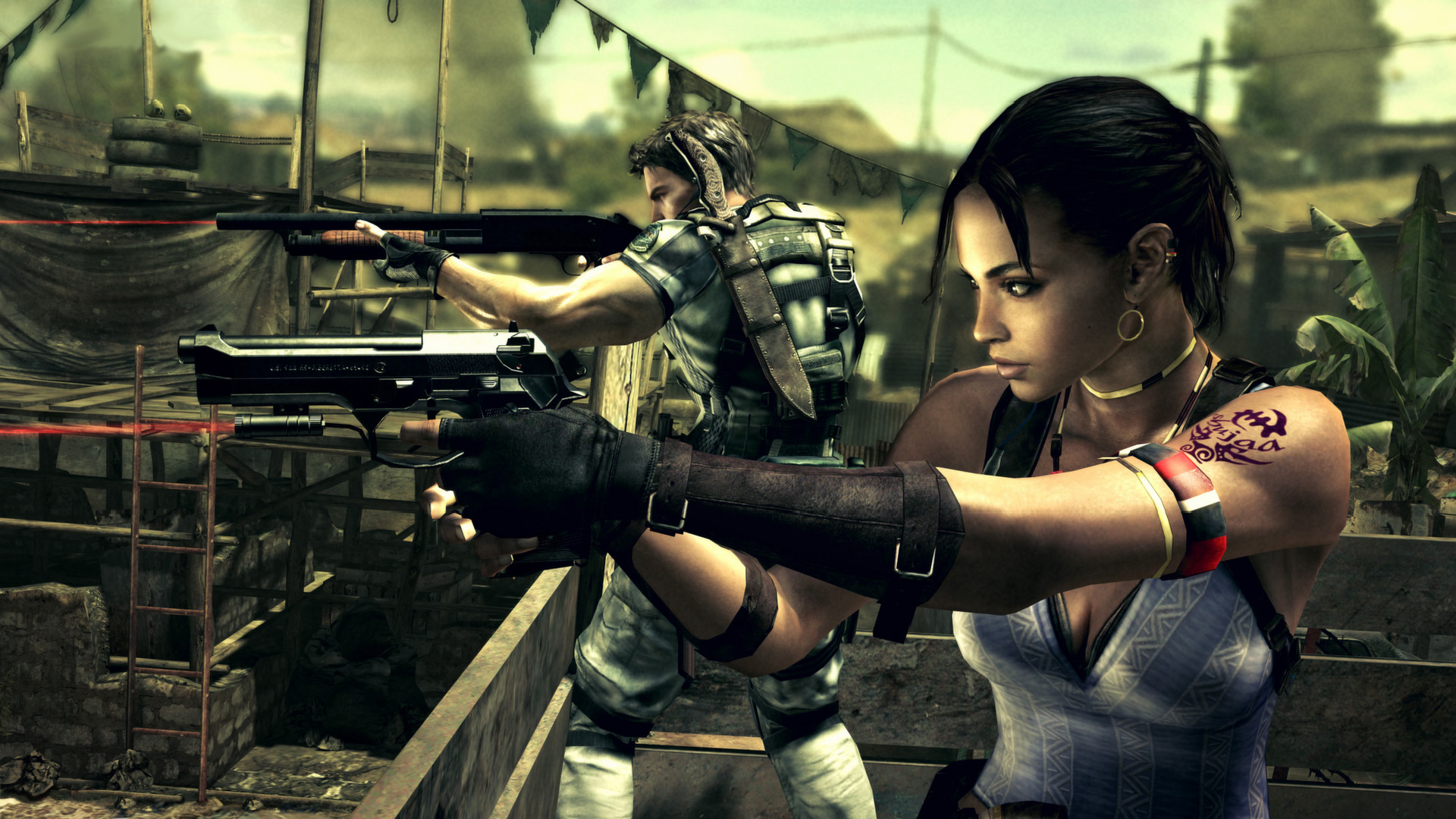
There’s still some horror buried in here. You just have to find it between explosions.
RE6 goes even harder on action than RE5, so putting it one place higher might sound backwards. But it earns the rank-up because it at least makes a few more deliberate attempts to scare you.
Leon’s part gets zombies, dark corridors and the closest thing to classic Resident Evil. Ada’s campaign has more isolated, slower stretches, while Jake has a persistent threat hanging over parts of his story. Chris is the outlier: his campaign leans much harder into military action than scares.
These horror-focused ideas rarely last long before the game moves back towards huge set pieces, yet there are still enough flashes of the series’ more frightening side to keep RE6 just above RE5.
Rockfort Island has everything it needs to be terrifying. Code: Veronica just struggles to keep it that way.
Code: Veronica can be genuinely unnerving when it gives its setting room to breathe. An isolated prison island, limited supplies and some very unpleasant experiments are all solid ingredients for classic Resident Evil horror.
I think it’s the tone that gets in the way… Resident Evil has always mixed horror with a certain amount of B-movie camp, but Code: Veronica leans especially hard into melodrama and can go from eerie to ridiculous very quickly.
Don’t get me wrong, I totally see how that’s part of its charm. It just means a creepy stretch can lose its grip on you a lot faster than it does in the games below.
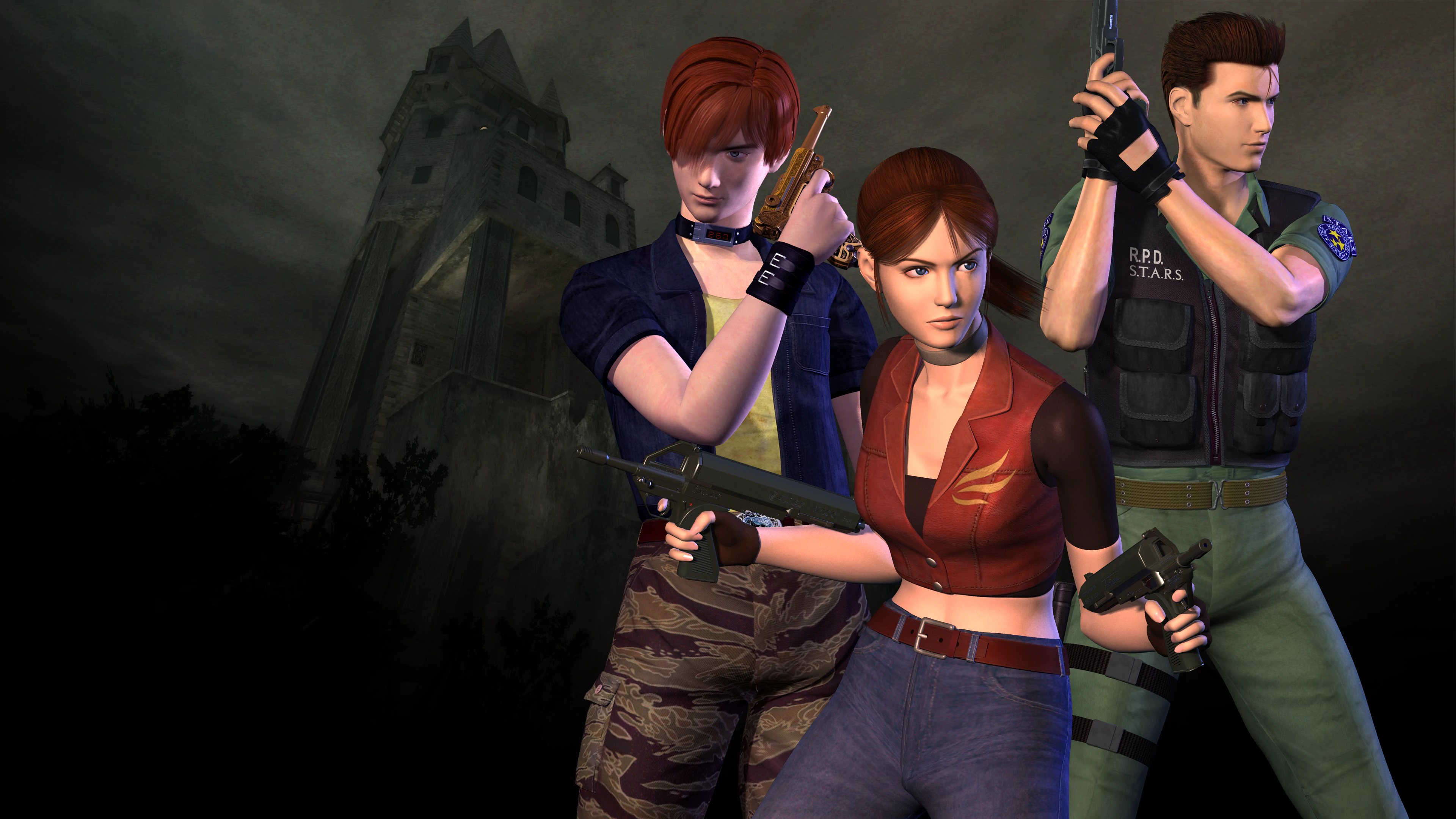
Revelations 2 gets pretty nasty. Nasty and scary aren’t always the same thing.
Revelations 2 is certainly very grim, and things like prisons, experiments and abandoned spaces give it a dirtier, more human kind of horror than most Resident Evil games. Add the fact that Natalia is far too young for any of this, and it all becomes even more uncomfortable.
Even when the surroundings are unpleasant, though, you’re rarely truly alone. The partner structure takes away some of the vulnerability that might otherwise make those places feel more oppressive.
That leaves Revelations 2 in a slightly odd position: it’s probably more disturbing than several games ranked higher than it, but that doesn’t necessarily make it more frightening to play.
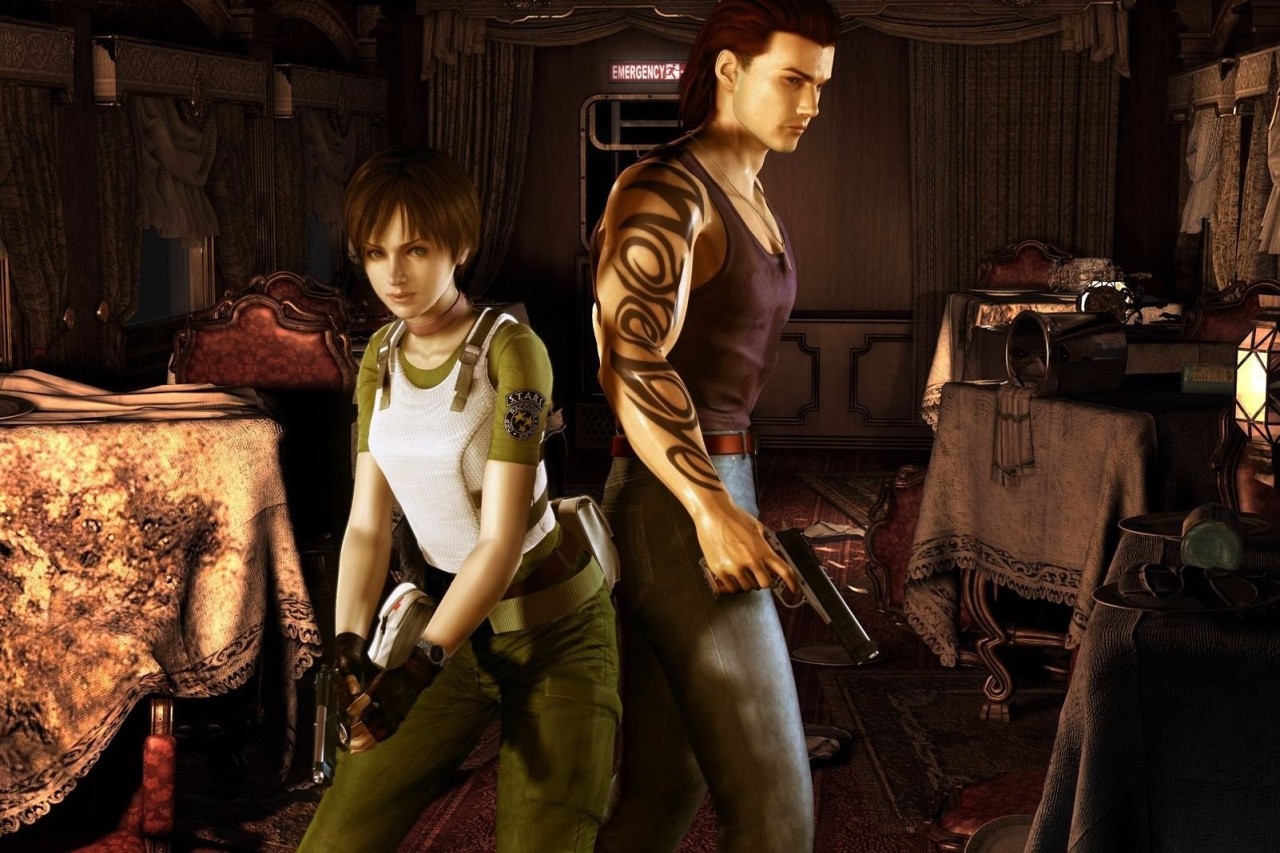
The train is excellent survival horror, but having Billy beside you makes the rest of the game a little less frightening.
The Ecliptic Express is Resident Evil 0 at its best. It’s cramped, unfamiliar and small enough that every noise feels like it’s right behind you, while the fixed cameras can leave whatever made that noise sitting just outside the frame.
Once Rebecca teams up with Billy, some of that isolation disappears. The partner system gives Zero its own identity, but, like RE5, knowing somebody else is nearby makes the world feel a little less hostile.
There’s still plenty of old-school atmosphere after the train. There are also some very B-movie monsters, while the inventory system creates a different kind of stress entirely. But being annoyed because you left the grenade launcher six rooms away doesn’t make a game scarier; in fact, probably the opposite.
The Queen Zenobia is creepy enough to make you wish Revelations would just stay there.
An abandoned cruise ship in the middle of the ocean is a great horror setting, and Revelations makes the most of it. The Queen Zenobia is cramped, quiet and full of corridors you’d really rather not investigate. Even the Ooze, while hardly Resident Evil’s greatest monster design, are effective when you hear one nearby before you know where it is.
That focus on isolation was deliberate. Revelations was meant to bring some survival horror back while the numbered games were moving further towards action, and the Queen Zenobia is where that idea comes through most clearly.
Unfortunately, the cutaways to other characters and bigger action sequences regularly pull you away from the part of Revelations that’s doing the best job of scaring you, breaking a mood the ship was creating perfectly well on its own.
Nemesis is terrifying when the game actually lets him chase you. It just doesn’t let him do it nearly enough this time around.
Resident Evil 3 Remake makes Nemesis frightening very quickly. He’s huge, ridiculously fast and capable of closing the distance in a way Mr X never could, and his early chases through Downtown can be genuinely panic-inducing.
If those early encounters are what you remember most clearly, #11 probably looks low. But Nemesis stops feeling unpredictable surprisingly quickly as the game goes on.
His appearances increasingly come in clearly defined sequences, so instead of worrying that Nemesis could suddenly disrupt whatever you’re doing, you start to recognise when a Nemesis encounter has begun. The original Resident Evil 3 is much better at keeping that question hanging over you.
Resident Evil 2 is still scary, but it’s already thinking bigger than pure survival horror.
The police station remains one of Resident Evil’s best horror settings. Strange puzzles, Lickers on ceilings and long hallways you’d rather not walk down give RE2 plenty of atmosphere before the game starts adding… even more pressure.
It also widens the scope considerably from the first game. Raccoon City feels like a full-scale disaster rather than a nightmare contained inside one mansion, and the story becomes more cinematic along with it.
Hideki Kamiya has said he considers the original Resident Evil scarier than the sequel he directed, and it’s easy to see what he means. RE2 still has plenty of horror, but it spends more time showing you the scale of Raccoon City falling apart. The first game is much more content to leave you trapped in one place and make you dread whatever might be in the next room.
It probably won’t scare you now the way it scared people in 1996. Very few games ever have.
The original Resident Evil is difficult to rank purely by how it feels today. On a list of the most important Resident Evil horror games, it could easily be number one. The same is probably true if we were judging how frightening each game was when it first released.
In 1996, there was no established Resident Evil formula to recognise. The Spencer Mansion could feel unpredictable simply because players had no idea what the game was willing to do next, and those fixed camera angles could leave something dangerous only a few feet away without actually showing it to you.
The age does show in ways that can undercut the fear now. The stiff character models and famously awkward performances can pull you out of the moment, while decades of horror games have made many of its once-new tricks much more familiar.
What hasn’t aged nearly as much is the mansion itself. The fixed cameras still hide just enough, the quieter stretches give every strange sound room to work, and exploring the place can still leave you uneasy about what you’re going to find around the next corner.

House Beneviento could win this entire ranking by itself. Unfortunately for Village, the rest of Village also counts.
Village is difficult to place because the amount of horror changes so much from one section to the next, with House Beneviento sitting at the far end of that spectrum. It strips away much of the confidence the game normally gives Ethan and might genuinely be the scariest individual sequence in the series.
Most of Village is much more comfortable by comparison, and that was partly intentional. Capcom eased off the constant tension after hearing from players who found Resident Evil 7 too frightening to finish. Village moves between gothic horror, monster movie, action and adventure, while Ethan gradually becomes better equipped to deal with what’s around him.
If we were ranking the series by its single scariest sequence, Village could be much higher. Across the entire game, #8 feels more representative.
Resident Evil 4 didn’t stop being scary. It found a completely different way to make you panic.
RE4 is often remembered as the game that pushed Resident Evil towards action, but that overlooks how threatening its action felt when the game was new.
Raccoon City was mostly “somewhere horrible things had already happened”. RE4 drops Leon into a village that’s very much alive in the present, and everyone in it wants him dead. The Ganados talk to each other, flank you, climb through windows, and surround you in ways the series hadn’t really asked you to deal with before.
Producer Hiroyuki Kobayashi called it the “fear of groups”, which fits that opening village fight perfectly. Leon is armed and capable, but the threat is no longer one zombie waiting in a hallway. Now the whole area can turn against you at once.
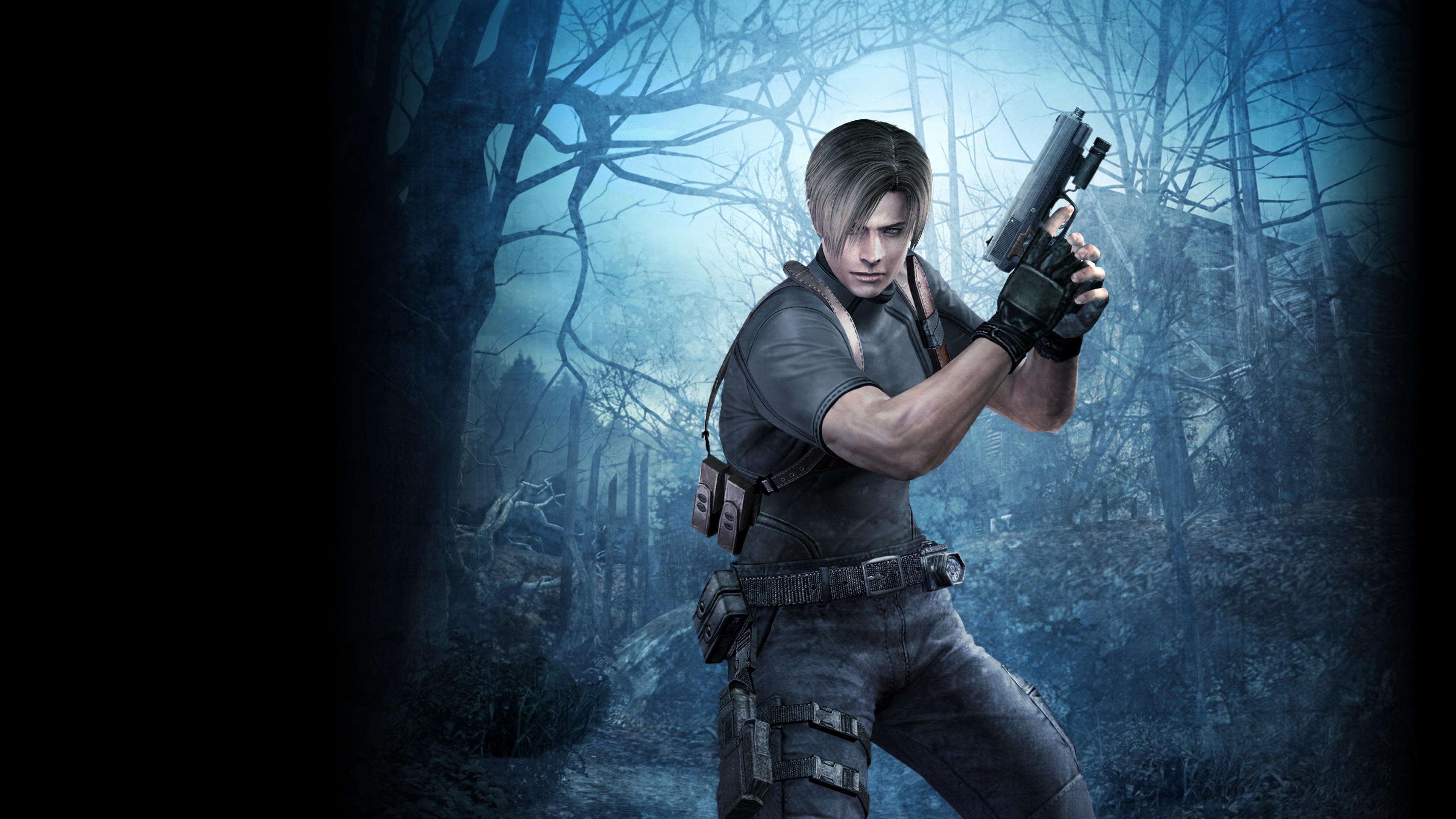
The remake is scarier moment to moment, even if it can’t recreate the shock of playing RE4 for the first time.
What’s surprising is how little separates these two versions once you focus purely on fear. RE4 Remake keeps the original’s basic pressure intact, with Leon still getting surrounded and pushed into fights that can fall apart quickly, but the quieter stretches are more threatening too.
The village is darker, the castle is less campy and more oppressive, and even enemies you already know feel more threatening when modern sound and animation give them so much more presence.
That gives the remake a slight edge if you put both versions in front of somebody now. What it can’t reproduce is how surprising the original was. We already know the village, the chainsaw and roughly what sort of game Resident Evil 4 is going to become, but judged purely by moment-to-moment scariness, the remake squeezes a little more horror out of the same basic experience.
The scariest thing about Nemesis is what happens when he isn’t there: you start waiting for him.
Resident Evil 3 is probably the spiciest placement on this list, but Nemesis does more than provide a few frightening encounters.
The game actually gives Jill more room than the entries before it. You see more of Raccoon City, explore wider streets and spend less time trapped inside one enormous building, which makes RE3 less naturally claustrophobic than the Spencer Mansion or RPD.
Nemesis changes how those spaces feel. After you’ve encountered him once, every quiet stretch comes with the possibility that he could return.
Different routes and encounters help keep that uncertainty going, and once Nemesis has broken your idea of what counts as a safe Resident Evil space, the whole game becomes harder to settle into.
The idea of a persistent stalker isn’t nearly as unusual now as it was then, and later Resident Evil games would build more sophisticated versions of it. What RE3 did particularly well was make that feeling of being hunted part of the game’s identity rather than one memorable encounter. You spend enough of the game thinking about when Nemesis might show up again that we’re comfortable keeping it in the top five.
Capcom took a mansion people already knew and figured out how to make them afraid of it again.
REmake had an unusual problem to solve because much of its audience already knew the Spencer Mansion.
Returning players knew its rooms, its threats and which corridors were supposed to be safe, so Capcom changed enough to make that knowledge unreliable. Familiar spaces weren’t quite familiar anymore, new threats appeared where veterans weren’t expecting them and dead zombies could return as Crimson Heads if you didn’t deal with the bodies properly.
Crimson Heads are especially effective because they turn a cleared hallway back into a problem. In classic Resident Evil, killing a zombie usually buys you some peace; here, leaving the body behind can make the return trip even worse.
The mansion itself has aged ridiculously well too. Rain against the windows, creaking floorboards and noises coming from somewhere the camera can’t see still create an atmosphere very few games in the series match.
There’s a strong case for calling this Resident Evil horror in its purest form. It’s just that the three games above it simply have a little more immediate impact for someone playing them now.
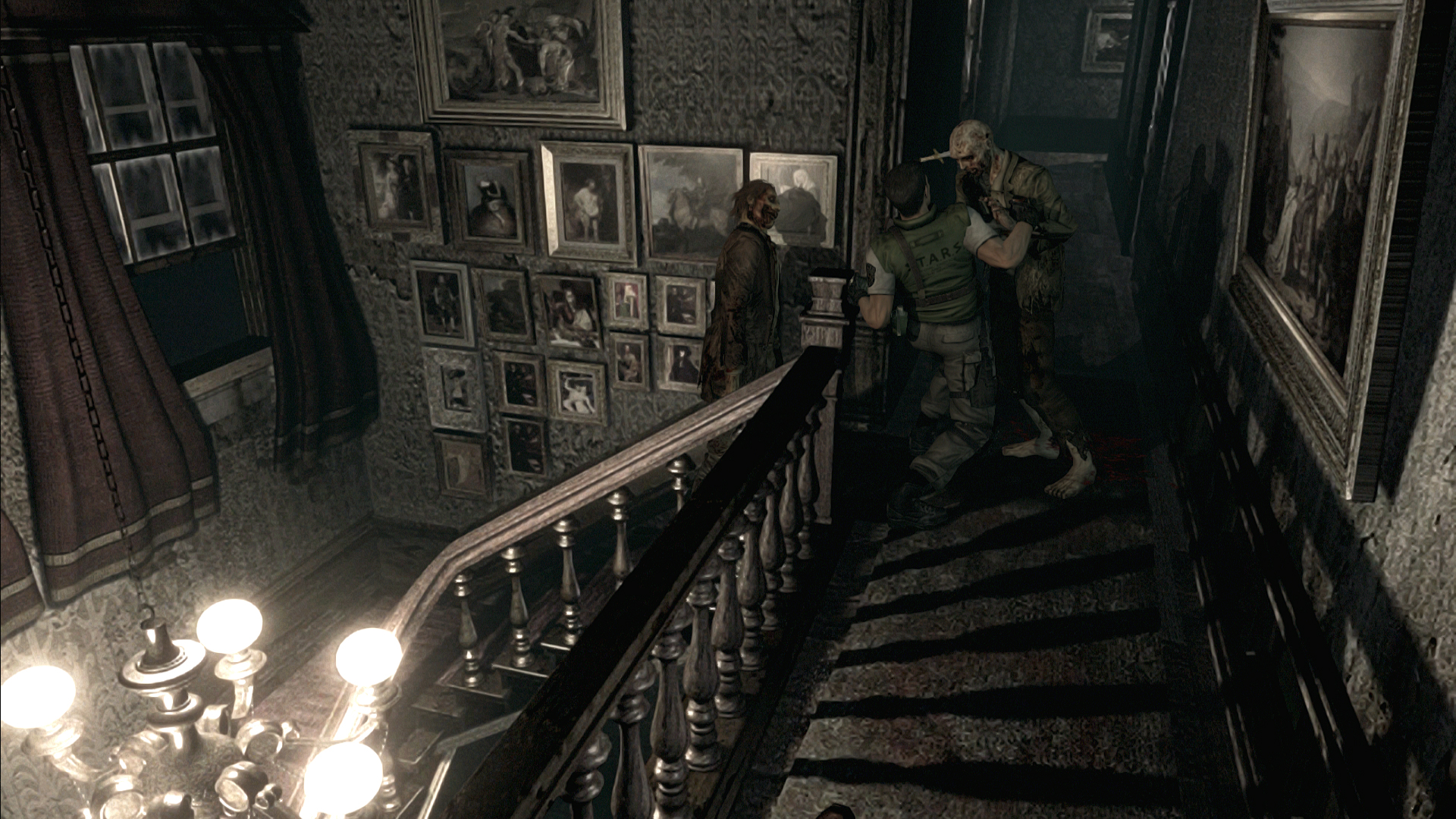
RE2 Remake turns an already-hostile police station into somewhere you never quite feel safe.
Even ordinary zombies are dangerous enough that you rarely feel comfortable wasting bullets on them. They can take a lot of punishment and don’t always stay down, which makes every trip through the RPD a small resource decision. Lickers make those decisions even worse by turning otherwise useful routes into places you’d rather avoid.
The original RE2 could create uncertainty simply by locking the camera in place and hiding part of a room from view. The remake switches to an over-the-shoulder camera that lets you look around freely, so Capcom had to find other ways to make you nervous about what you couldn’t see. Darker spaces and enemies that are harder to read do much of that work.
Once Mr X starts roaming the RPD, even routes you’ve already learned become unreliable. Avoiding him can send you back through rooms you never really cleared, or towards enemies you were hoping not to deal with yet.
That constant pressure is what gives RE2 Remake the edge over REmake for us. The 2002 game may have the stronger old-school atmosphere, but RE2 Remake is more immediately frightening to play now.
Grace gets some of the scariest stretches in the entire series, but Leon is why Requiem stops at number two.
Requiem gets much of its horror from how differently its two protagonists handle the same world.
Grace feels vulnerable in ways Resident Evil’s veteran heroes usually don’t because she simply isn’t comfortable in a fight. Producer Masato Kumazawa described her as a protagonist designed to reflect the player’s own vulnerability, right down to her panicked breathing and physical reactions when she gets frightened.
Leon gives the game a very different rhythm, and that contrast was deliberate. Director Koshi Nakanishi said his more action-heavy sections allowed the team to push Grace’s horror harder, while describing Requiem overall as an experience that alternates between tension and relief rather than maintaining RE7’s continuous pressure.
That’s why Grace can arguably go through scarier individual stretches than anything in Resident Evil 7 without Requiem taking the top spot. Leon is the release valve.
Other Resident Evil games reach scarier peaks. None sustains that level of fear for as long as Resident Evil 7.
By Resident Evil 6, the series had become enormous. More heroes, weapons, monsters and explosions had gradually pushed Resident Evil towards a point where the player rarely felt especially vulnerable.
Resident Evil 7 deliberately went the other way. Capcom felt the series had travelled too far towards action and decided to “double down on horror”; reducing the scale, switching to first person and putting an ordinary protagonist at the centre instead of another experienced monster killer.
Ethan Winters isn’t Leon or Chris, and the game treats him accordingly. For a good chunk of the game, you never feel like you have enough information, ammunition, or distance from whatever is making that noise. The Baker estate keeps everything close and personal, so Jack can turn an ordinary hallway into the worst place in the world, while the grimy, rotten surroundings make even the “safer” rooms deeply unpleasant to spend time in.
RE7 loses some of that power later as Ethan becomes better equipped and threats become more familiar, but Capcom’s response afterwards shows that the game’s sustained fear wasn’t just our interpretation. Village producer Tsuyoshi Kanda said some players found RE7 “too scary to play”, so the team deliberately eased Village’s tension curve to avoid keeping players in constant fear. Requiem director Koshi Nakanishi later made almost the same comparison from the other direction, describing his game, Village, as alternating tension and relief rather than maintaining RE7’s “continuous, suffocating” pressure.
Resident Evil has spent decades changing its approach to fear. For pure, sustained, please don’t make me go down there horror, it still hasn’t beaten this.
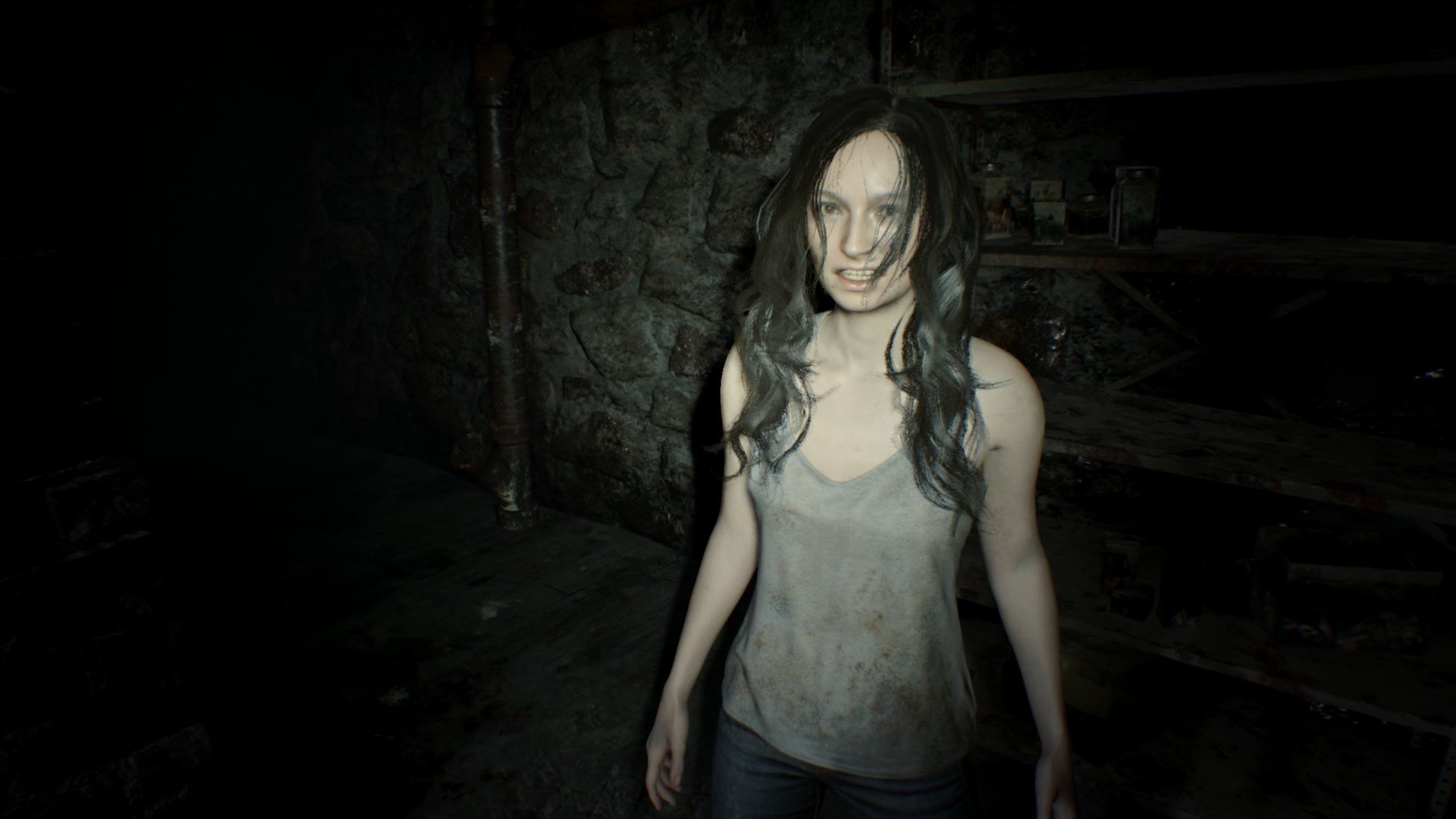
Outbreak and Outbreak File #2 were the hardest cuts.
The two Outbreak games belong in any broader conversation about Resident Evil horror. Putting ordinary people in the middle of Raccoon City gives them a vulnerability the main series rarely explores.
They’re much harder to recommend in a practical list like this, though, because both were PS2-only releases, and they also never received the straightforward modern re-release they really need (and deserve). If that changes, Outbreak would be the first omission we’d reconsider.
The other exclusions are easier to explain. Survivor, Dead Aim, Umbrella Chronicles and Darkside Chronicles play very differently from the main survival-horror games, while Operation Raccoon City, Umbrella Corps, Resistance and Re:Verse move far enough into other genres or multiplayer that putting them on the same fear scale as RE7… stops being especially useful.
Gaiden is there too, but we’re not even going to go there.